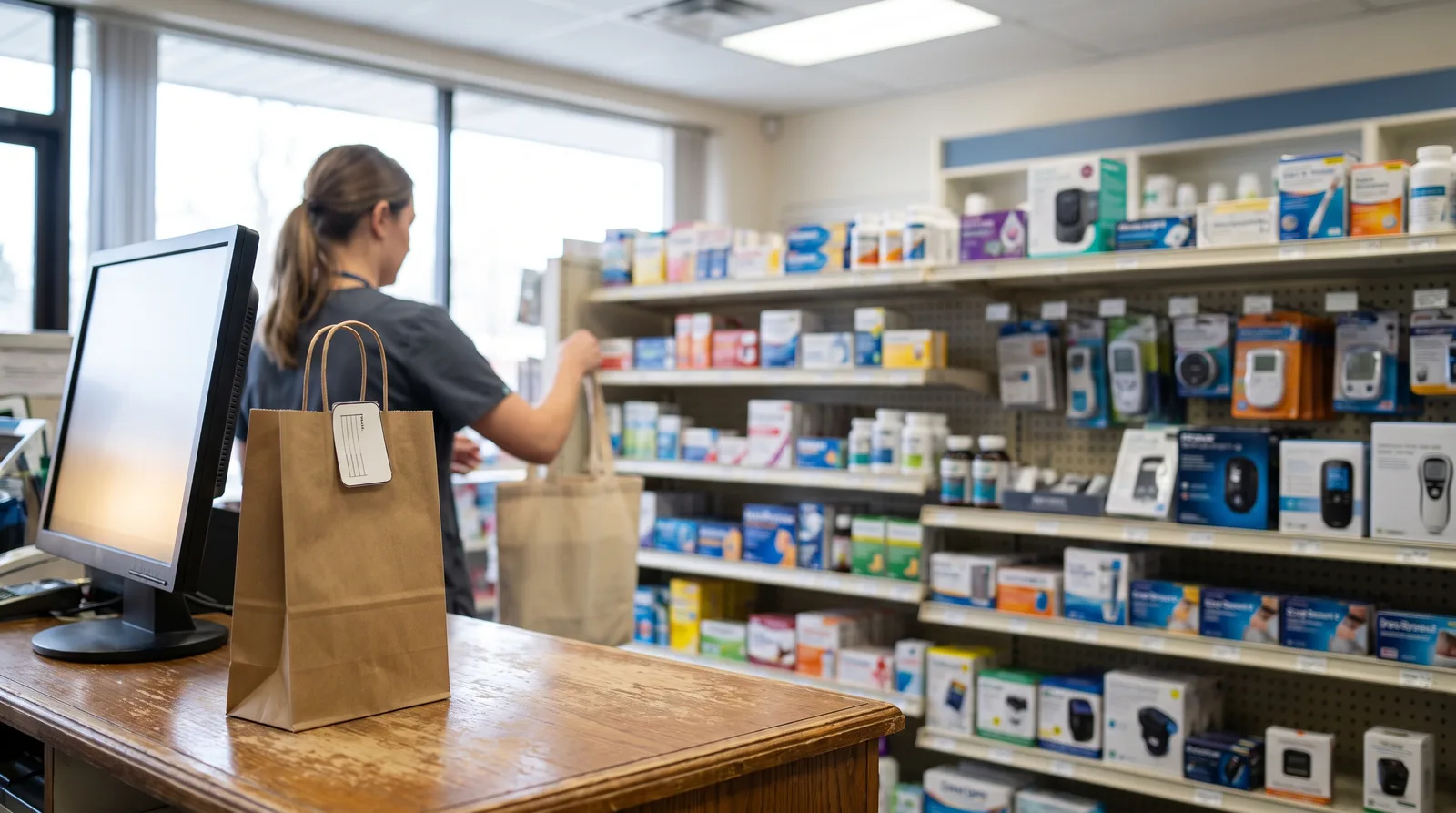
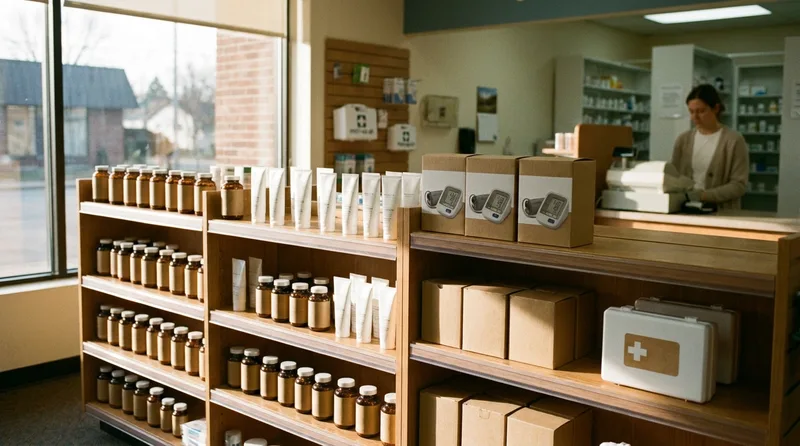
✓Start with 20 to 40 products that ship light, reorder often, and benefit from pharmacist guidance.
✓Compare each item's acquisition cost to online listings before you stock it, since NCPA puts independent gross margin at just 19.7%.
✓Lead with local pickup and delivery, because they remove postage costs and bring patients to your counter.
✓Build mobile-first product pages with photos, a pharmacist note, and fit guidance, since 62.54% of web traffic is mobile.
✓Keep copy factual and free of outcome claims, and store order data apart from prescription records.
✓Promote through pharmacist recommendations, opted-in email, and Google Business Profile before you pay for ads.
A pharmacy e-commerce strategy built on high-margin OTC products is one of the few revenue moves that doesn't depend on a payer, and your is where it starts. And margin is the problem. According to the , independent pharmacy gross profit margin fell to 19.7% in 2023, the lowest in the report's 10-year lookback.
Build the presence your community trusts
Let us be your first step. Get in touch with our team today.
Front-of-store sales can close part of that gap, and an online catalog sells after you lock the door. RevealSite builds custom websites for independent pharmacies. This guide covers what to sell online, how to design product pages, how to fulfill orders, and the compliance lines you shouldn't cross.
Why Build a Pharmacy E-Commerce Strategy Around OTC Products?
Because front-of-store items carry margins that reimbursed prescriptions rarely match, and an online catalog keeps selling while your counter is closed. It also gives patients who already rely on your pharmacy a reason to buy from you instead of a marketplace.
A focused front-of-store lineup is easier to photograph, price, and keep in stock online.
Prescription dollars get squeezed by reimbursement. Front-end items don't. That gap is why margin-rich categories matter more every year, and our pharmacy revenue diversification guide covers the wider menu of options beyond dispensing.
Patients are already primed to think of you first. A Wolters Kluwer Pharmacy Next survey found that 58% of Americans would first seek non-emergency healthcare at a pharmacy rather than another setting. An online store simply extends that habit to the products they'd otherwise buy elsewhere.
The independent advantage is the counter itself. A national retailer can't walk a patient through a product choice the way a pharmacist at your counter can, and that conversation is what an online catalog should reflect.
Online selling adds three things a shelf can't:
Hours. A patient can order at 10 p.m. and collect the next morning.
Reach. A product page can rank for a search like "home blood pressure monitor near me," which a shelf never will.
Data. You see which items patients search for, abandon, and buy twice.
Picture a single-store pharmacy that lists 40 products. If 15 of them sell steadily, each pickup order also brings someone to your counter. That visit often becomes a conversation with a pharmacist. Big difference.
Which OTC and Clinical Products Are Worth Selling Online?
Home health devices, skin care, wellness items, and first-aid supplies are the strongest fits because they ship easily and benefit from pharmacist guidance. Clinical products, such as blood pressure monitors and compression wear, add recommendations that marketplace listings can't match.
OTC products versus clinical products
OTC products are items patients buy without a prescription, like vitamins and topical care. Clinical products are devices and supplies tied to monitoring or care, like home blood pressure monitors, thermometers, pulse oximeters, and compression wear. Most pharmacies sell both, and the pairing is where your advantage shows up.
Category
Why it works online
Where your team adds value
Vitamins and supplements
Repeat purchases and light packages
Flags questions about current medications
Skin and topical care
Small, visual, easy to bundle
Matches products to sensitive skin
Home blood pressure monitors
Steady search demand and higher ticket size
Explains cuff sizing and fit
Thermometers and pulse oximeters
Seasonal spikes in demand
Shows setup and how to read results
Compression wear and braces
Sizing drives the purchase
Measures and fits in person
First-aid and wound care
Easy kits by situation
Builds kits around real needs
Don't try to list everything your wholesaler carries. A pharmacy e-commerce strategy works better with a tight catalog of 20 to 40 items you can explain well than with a sprawling one nobody trusts to be in stock.
Why fit guidance sells devices
The American Heart Association reports that up to 18 million US adults use home blood pressure cuffs that don't fit, which can push readings up to 20 mmHg too high. That's your opening. A short fit note on the page turns a commodity device into a recommendation.
How Do You Choose Products That Protect Your Margin?
Choose products by acquisition cost, shipping weight, return risk, and repeat-purchase potential, then check each online price against marketplace listings. If a product only wins on price, skip it. Margin survives where a pharmacist adds something a listing can't.
Checking acquisition cost against online listings keeps thin margins from disappearing after launch.
Work through each candidate with the same five checks:
Compare cost to online price. If marketplace listings sit near your cost, the margin is already gone.
Weigh size and shipping. Heavy, bulky items turn a decent margin into a loss once postage lands. Favor items you can offer for pickup or delivery.
Look for repeat buyers. Supplements and skin care reorder. A monitor doesn't, but it pulls in accessories.
Confirm regulatory status. Devices should arrive with the clearance or listing documentation your wholesaler supplies, and you should keep it on file.
Test small. Launch with 20 to 40 products, then expand based on what actually sells.
Here's a quick example. Say a thermometer sells for $30 and costs you $18. Shipping runs $4 and card fees take about $0.90, which leaves roughly $7 per order. Offer the same item for local pickup and you keep about $11. Same product, very different result.
That's why pickup-friendly items deserve the first slots in your catalog. Skip anything you can't price with confidence.
Review pricing every quarter, too. Wholesaler costs shift, and a product that cleared your margin check in January can slip below it by summer. A short spreadsheet with cost, listed price, and monthly units is enough to catch it.
What Should a High-Converting Pharmacy Product Page Include?
A strong product page includes clear photos, a short pharmacist note, size or fit guidance, pickup and delivery options, and structured data. Those pieces answer the questions patients ask before buying, and they help search engines understand exactly what each page sells.
Mobile speed and layout
Design for the phone first. Statista reports that mobile devices generated 62.54% of global website traffic in Q4 2024, so most patients will meet your product pages on a small screen. Speed counts there. In a web.dev case study, Vodafone improved Largest Contentful Paint by 31% and saw 8% more sales on the optimized pages.
Product description: a plain-language summary of what the item is, what's in the box, and how people use it. Write it in your own words instead of pasting manufacturer copy, and keep out outcome claims and dosing advice.
Photos: three or more, on a plain background, with a size reference.
Pharmacist note: add two sentences on who the item suits and when a patient should check with a pharmacist first.
Fit or size guide: required for devices, braces, and compression wear.
Fulfillment options: pickup, delivery, and shipping shown above the buy button.
Need pharmacy content that educates patients and stays compliant?
RevealSite's Creative & Content team produces pharmacy blog posts, social graphics, and newsletters in your brand voice. Every piece is reviewed by team members with pharmacy and digital marketing expertise.
How Do You Fulfill Online Orders Without Slowing Your Pharmacy?
Offer local pickup and delivery first, add shipping only for light, low-return items, and sync online inventory with your point-of-sale system. That protects your prescription workflow and gives front-store staff a simple, separate order queue they can run in minutes a day.
Local pickup skips postage and puts every online order in front of a pharmacist.
Start with pickup. Patients collect orders at the counter or curbside, and you skip postage entirely.
Add local delivery. Include OTC items on routes you already run when a patient asks for them.
Ship only light items. Skin care, supplements, and small devices travel well. Braces and large kits often don't.
Sync inventory. Connect the catalog to your point-of-sale counts so you don't sell what you don't have.
Assign one owner. A single front-store team member checks the queue twice a day.
Measure what happens next. Tie online sales to your reporting setup, and use our guide to pharmacy website conversion tracking to count purchases without the usual GA4 headaches.
One more thing. Set clear pickup windows on every product page. Patients who know when an order is ready rarely call to ask.
Returns deserve a written policy as well. Many pharmacies decline returns on opened health items for safety reasons, so state that rule plainly at checkout. A clear policy prevents disputes and protects the front-store team from awkward counter conversations.
How Do You Keep Product Pages Compliant and HIPAA-Aware?
Keep product pages to factual descriptions, avoid disease or outcome claims, and never tie a purchase to a named patient's health condition. Store order data separately from prescription records, and have your pharmacist-in-charge review copy before it goes live.
Compliance is the part of any pharmacy e-commerce strategy that owners skip, and it's the part regulators notice. The FTC expects health-related claims to be truthful and supported, and device and supplement rules vary by product. Your pharmacist-in-charge and legal counsel should approve language for every category you list.
Safe habits for product copy
Describe what a product is and how people use it, not what outcome it delivers.
Leave dosing advice off product pages entirely. That belongs in a conversation between the patient and a pharmacist.
Skip before-and-after stories, and never use patient names or photos without written HIPAA authorization.
Keep medication details out of cart notes, order histories, and confirmation emails.
Route medication questions from product pages to your pharmacy team through a secure contact form, not an open chat box.
Supplements and devices carry their own rules. A product may be fine to sell yet still limit what you can say about it. When in doubt, describe the product and leave the promise out.
Our HIPAA-compliant pharmacy website guide walks through secure forms and vendor agreements. Review it before you connect any checkout tool to patient records.
How Do You Promote Your Pharmacy E-Commerce Strategy to Your Own Patients?
Promote products to patients you already serve through pharmacist recommendations, opted-in email, in-store QR codes, and Google Business Profile product listings. Existing patients convert faster than strangers because they've already met your team and know your counter.
Owned channels matter more as search changes. Pew Research Center found that users click a traditional result on just 8% of visits when an AI summary appears, compared with 15% when one doesn't. Relying on search alone gets riskier every quarter.
Counter recommendations: tag shelf items with a QR code that opens the matching product page.
Email: send seasonal product picks to patients who opted in, and keep medication details out of every message.
Google Business Profile: add product listings so local searchers see what you stock.
Service pairing: an AMCP Foundation survey found that 52% of pharmacies operating a lab offer point-of-care testing, so place test and monitoring products beside the services patients already use.
Start with the counter. It costs nothing, and a pharmacist's recommendation carries more weight than any banner ad.
Bring your existing patients back to your pharmacy
RevealSite runs email, social, and Google campaigns that bring your existing patients back and put your pharmacy's recommendations in front of them.
Start small. A pharmacy e-commerce strategy doesn't need a huge catalog. Pick five to ten high-margin OTC products your team already recommends at the counter, then build pages that carry that recommendation online. Margin, pickup traffic, and patient loyalty follow when each page does one job well.
This week, pull your top ten front-of-store sellers and compare their prices to online listings. Anything that holds its margin is a candidate. Anything that doesn't can stay on the shelf.
Ready to grow your pharmacy online?
RevealSite builds custom pharmacy websites and runs marketing programs that bring in new patients and keep them coming back. Request a free demo to see how it could fit your pharmacy.
What should a pharmacy e-commerce strategy include?▼
A pharmacy e-commerce strategy should include a focused product catalog, mobile-first product pages, pickup and delivery options, compliant copy, and a plan to promote items to your own patients. Start small, track what sells, and expand from there.
Can independent pharmacies sell OTC products online?▼
Yes. An independent pharmacy can sell OTC products online through its website, as long as it follows state board rules, FDA requirements for each product, and truthful advertising standards. Many owners start with local pickup and delivery before they add shipping.
How do I pick high-margin OTC products to sell online?▼
Favor light, repeat-purchase items such as vitamins, skin care, and first-aid supplies, plus home health devices that benefit from pharmacist fit guidance. Margins vary by wholesaler and product, so compare your acquisition cost to online prices before you list anything.
How many products should a pharmacy list at launch?▼
Twenty to 40 products is a workable launch range. It's large enough to cover several categories and small enough for your team to photograph, describe, and keep in stock accurately. Expand only after sales data shows which categories move.
Who should review product page copy before it goes live?▼
Your pharmacist-in-charge should review it, ideally with legal counsel. They can confirm that descriptions stay factual, skip dosing advice and outcome claims, and route medication questions to your pharmacy team. Rules vary by product, so counsel matters most for supplement and device language.
Does a pharmacy e-commerce strategy need separate HIPAA safeguards?▼
OTC order data isn't a prescription record, but it can still reveal health information about a patient. Use secure checkout, keep medication details out of order notes, and confirm vendors sign a business associate agreement when your setup touches prescription data.
Should a pharmacy ship OTC products or stick to local pickup?▼
Start with local pickup and delivery, which skip postage and bring patients to your counter. Add shipping later for light, low-return items such as skin care and supplements. Bulky devices and braces often lose margin once packaging and postage are counted.