Facebook Ads for Compounding Pharmacies: Find Niche Patients
RevealSite Team
November 3, 2026 · 9 min read
Key Takeaways
✓Promote your pharmacy's service and pharmacists, not specific medications, and note that compounded medications are prepared per prescription and are not FDA approved.
✓Target by situation, such as location, parenthood, and pet ownership, because Meta limits many health-based targeting options.
✓Keep patient lists and health-revealing tracking out of Meta's tools, and get attorney review before launch.
✓Send clicks to a call-first landing page, since web pages load 70.9% slower on mobile than on desktop, per HubSpot.
✓Compare cost per inquiry with the $21.98 average Facebook lead cost for service industries, per WordStream, but expect pharmacy results to differ.
✓Show your star rating on landing pages, because 75% of consumers read online reviews on a regular basis, per BrightLocal.
Build the presence your community trusts
Let us be your first step. Get in touch with our team today.
Facebook ads for compounding pharmacies face a puzzle most retail advertisers never meet: your likely patients are scattered, many don't know compounding exists, and Meta limits how health topics can be targeted. RevealSite builds and runs paid social for independent and compounding pharmacies, and this guide shows how to reach niche patients and prescribers without risking your ad account or patient privacy.
Search alone won't solve it. According to Pew Research Center, users click a traditional result on just 8% of visits when a Google AI Overview appears, versus 15% when no summary shows up. Paid social lets you introduce your services before a patient ever types a query.
Note: Compounded medications are prepared per individual prescription and are not FDA-approved drug products, as the FDA's compounding page explains. This article covers advertising practices only. It isn't medical or legal advice, so have your attorney review ads before launch.
Can Facebook Ads for Compounding Pharmacies Reach Niche Patients?
Yes, but you reach them through location, life stage, and referrals instead of diagnoses. Meta limits health-based targeting, so the strongest campaigns promote your pharmacy's service, explain what compounding is, and point people toward a conversation with their prescriber.
Compounding patients are niche by nature. Their needs are individual, and a prescriber usually starts the conversation. Your ads rarely close anything alone. Their job is to make your pharmacy the name a patient or prescriber remembers when the need appears.
Volume isn't the goal. A compounding pharmacy may need only a modest number of new patients each month, along with steady referrals from a handful of local practices. That makes relevance and message quality matter more than raw reach, and it makes a small, steady test budget realistic.
Say what your pharmacy does, not what a medication will do for a person. Describe consultations, custom preparation services, delivery, and your pharmacists. Avoid health-condition callouts and outcome claims, and invite readers to ask their prescriber whether a customized preparation is appropriate.
Have pharmacists and your attorney review every ad before it goes live.
Three rulebooks apply at once. Meta's Privacy Violations and Personal Attributes policy bars ads that imply you know a person's health condition, and its Drugs and Pharmaceuticals policy restricts how prescription medications and online pharmacies can be promoted. The FTC expects health claims to be truthful and backed by evidence. Your state board of pharmacy may add its own advertising rules. Platform policies change, so read Meta's current standards before every new campaign.
Risky wording
Safer wording
Why it matters
Struggling with [condition]? Our custom formula works.
Ask your prescriber whether a customized preparation is right for you.
Implies you know a personal health condition and promises an outcome
Before and after results from real patients
Meet the compounding pharmacists behind your prescription
Outcome claims and patient stories raise privacy and evidence problems
Cheaper than your current prescription
Local compounding consultations and delivery by appointment
Price comparisons on specific medications are hard to substantiate
Hormone relief that works every time
Learn how compounding works and what to ask your prescriber
Absolute promises and specific health outcomes are off limits
Pharmacists should read every draft. They know what a preparation can and can't do, and they'll catch a claim that sounds harmless but isn't.
Compounded GLP-1 medications deserve extra caution. Treat them at the category-education level only, and get legal review before any ad copy touches them. RevealSite's article on GLP-1 marketing for independent pharmacies explains why.
Which Niche Audiences Should a Compounding Pharmacy Test on Facebook?
Test audiences defined by situation instead of condition: local pet owners, parents of young children, adults within your delivery radius, and the prescribers, veterinarians, and practice managers who write prescriptions. These groups map to real compounding use cases without asking Meta to guess anyone's health status.
Pet owners: customized pet medication is a recognized compounding use. Target pet-related interests inside your radius, and invite owners to ask their veterinarian.
Parents of young children: reach parent audiences near your store with a message about pharmacist consultations, and point them to the child's prescriber for any medication questions.
Adults in your delivery area: use broad age ranges and a clear service message, such as consultations, pickup, or delivery, and let the creative do the filtering.
Local prescribers and practice teams: physicians, dentists, veterinarians, and office managers, reached through work-related targeting where available, with an educational resource instead of a medication pitch.
Notice what's missing: condition-based interests. In 2022, Meta removed Detailed Targeting options tied to health-related causes, organizations, and public figures, and even where related options survive, building ads around it invites policy trouble. Targeting options change often, so check Ads Manager for what's currently available.
Small audiences also run short on data. Keep ad sets broad enough for Meta to learn, and pair prescriber ads with the outreach in RevealSite's pharmacy referral program guide.
Reach niche patients without risking your ad account
RevealSite manages Facebook and Instagram campaigns for independent and compounding pharmacies, with compliance-minded creative and monthly reports on calls and inquiries.
What Creative and Landing Pages Convert Niche Patients?
Start with education-first creative that explains the process, introduces your pharmacists, and ends with an invitation to talk. Keep claims general, name the people behind your lab, and make the next step a phone call or a consultation request, not a purchase.
A call-first landing page turns a curious click into a real conversation.
Meet the pharmacist: a 30-second video on who prepares medications in your lab and how consultations work.
Process carousel: prescription received, pharmacist review, preparation, then pickup or delivery.
Prescriber explainer: a short post describing what your pharmacy can prepare, with a contact for practice teams.
Local credibility: accreditations you actually hold and how long you've served your community.
Design for phones first: vertical video with captions, short text, and a single call to action, since many people scroll with the sound off.
Send clicks to a single-purpose page, not your homepage. Put a tap-to-call button first, add a short explanation of how compounding works, and repeat the note that preparations are made per individual prescription. Speed matters because, according to HubSpot, web pages load 70.9% slower on mobile than on desktop.
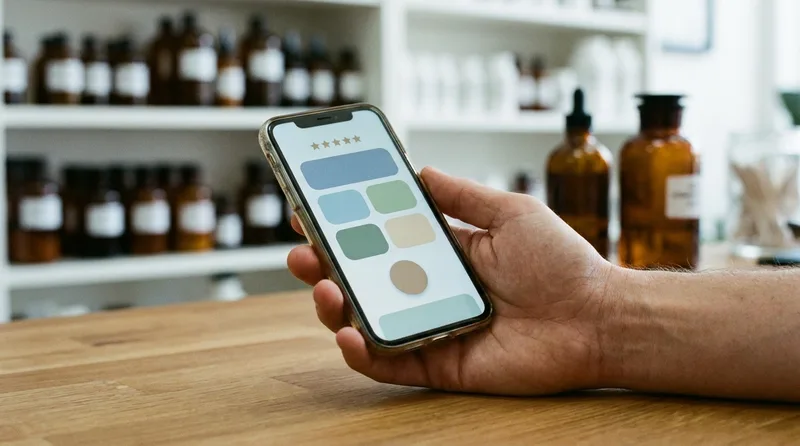
Social proof helps too. BrightLocal's 2024 survey found that 75% of consumers read online reviews on a regular basis, so show your star rating and a few public reviews on the page. Pair ads with search visibility using RevealSite's guide to compounding pharmacy SEO.
How Do You Structure Campaigns and Budget for a Small Audience?
Run three simple campaigns: education for awareness, a consultation request for patients, and outreach for prescribers' offices. Start with a modest fixed daily budget per campaign, keep audiences broad, and judge results by cost per call or inquiry before you scale anything.
Costs vary, but benchmarks give you a yardstick. According to WordStream, Facebook lead ads averaged $21.98 per lead across service industries in 2024, while the average Google Ads lead across all industries cost $66.69. Those are cross-industry averages, not pharmacy results, so treat them as a rough comparison.
Awareness: video views and engagement from people inside your delivery radius.
Consideration: a call or lead campaign sending adults and parents to your landing page.
Prescriber outreach: a small campaign to local practices, followed by a call from your team.
Let Meta place ads on Facebook and Instagram automatically at first, then review where your inquiries actually come from before narrowing placements.
RevealSite's creative team produces pharmacist videos, process carousels, and landing page copy for compounding pharmacies, written with patient privacy in mind.
How Do You Keep Facebook Ads HIPAA-Safe and Meta-Compliant?
Keep patient information out of the ad platform entirely. Don't upload patient lists, keep tracking pixels off pages that collect health information, and move any conversation about a person's medication from public comments to a phone call. Have your attorney review ads and data practices before launch.
Keep patient lists and health-revealing tracking out of ad platforms entirely.
Never upload patient lists as custom audiences. Sharing identifying information with a third party can violate HIPAA without proper authorization, and Meta's Business Tools Terms also bar sharing health data.
Review the Meta pixel and other tracking scripts on pages that gather health information, and ask your attorney whether they belong there, since Meta's Business Tools Terms also bar sending health data through them.
Answer comments and messages with a general reply and an invitation to call. Never discuss a person's medications in public.
Skip testimonials and photos that identify patients unless you hold written HIPAA authorization.
Check whether you count as an online pharmacy under Meta's Drugs and Pharmaceuticals policy, which requires LegitScript certification and Meta authorization. Promoting specific prescription medications is the main risk for a local pharmacy.
Check your state board of pharmacy's advertising rules before launch.
How Do You Measure Results and Where Should You Start?
Measure inquiries, not impressions: calls, consultation requests, form submissions, and how new patients say they heard about you. Start with one campaign and one audience, review cost per inquiry after a few weeks, then add the next audience once the first is working.
Draft three general, compliant ads with your pharmacists, and have your attorney review them.
Build one single-purpose landing page with tap-to-call and the compounding note.
Launch one campaign to one audience inside your delivery radius.
Add a "How did you hear about us?" question to your intake calls.
Review cost per call and inquiry weekly, then add the next audience.
Tracking should respect privacy, too. RevealSite's guide to pharmacy website conversion tracking explains how to count calls and forms without leaking patient data.
Facebook ads for compounding pharmacies work when they introduce your service, respect patient privacy, and send niche patients toward a conversation with their prescriber. Nobody can promise results, but disciplined creative and clear measurement give you a fair test. Book a free demo with RevealSite to plan your first campaign.
Ready to Reach Niche Patients With RevealSite?
RevealSite works only with independent and compounding pharmacies on custom websites, local SEO, paid social, and content. Request a free demo to plan your first campaign.
Can compounding pharmacies advertise on Facebook?▼
Often yes, within limits. Meta restricts prescription drug promotion and health-condition callouts, and some pharmacy advertisers may need certification, so read Meta's current policy and have your attorney review ads. Focus on your services and pharmacists, not specific medications or outcomes.
How much should I spend on Facebook ads for compounding pharmacies?▼
Start with a modest fixed daily budget per campaign and judge results by cost per call or inquiry, not impressions. Service-industry benchmarks offer a rough yardstick, but pharmacy results will differ, so scale only after your first audience produces steady inquiries.
Who should my Facebook ads for compounding pharmacies target?▼
Target by situation, not condition: local pet owners, parents, adults in your delivery radius, and prescribers' offices. Let broad audiences and clear creative do the filtering, because Meta limits many health-related targeting options and condition callouts can violate its policies.
Can I use patient testimonials in my ads?▼
Not without written HIPAA authorization from each patient, and outcome claims add more risk. Safer options include introducing your pharmacists, explaining your process, and showing general public review ratings without identifying anyone's treatment.
Should I retarget website visitors on Facebook?▼
Approach retargeting carefully, because a visit to a compounding page can reveal a health interest. Ask your attorney before installing the Meta pixel on pages that gather health information, and consider broader awareness campaigns instead.
Can I advertise compounded GLP-1 medications?▼
Treat them at the educational, category level only. Compounded GLP-1 marketing draws regulatory scrutiny, so get legal review before any ad copy, and never publish dosing, pricing, or weight-loss claims.