RevealSite Team
October 4, 2026 · 9 min read
Key Takeaways
- ✓Design for the phone first: Statista puts mobile's share of global web traffic at 62.54% in Q4 2024.
- ✓Put secure refill and transfer forms, service pages, and tap-to-call on every page patients are likely to land on.
- ✓Test speed on a mid-range phone, because Vodafone saw 8% more sales after improving loading performance, per Google's web.dev.
- ✓Keep ad pixels and analytics tags off refill pages, and collect only the details a request truly needs.
- ✓Give each location you staff its own page, with real photos, hours, directions, and structured data.
- ✓Ask who owns the domain, hosting, and code before signing, and compare proposals line by line.
Pharmacy web design in Pennsylvania has one job: turn a quick phone search into a refill, a transfer, or a visit. Patients decide where to fill a prescription long before they reach your door, and your site is where that decision happens.
The volume at stake is large. The NCPA 2024 Digest reports that the average independent pharmacy dispensed 59,644 prescriptions per store in 2023. Each of those patients can switch to a competitor with a thumb tap. RevealSite builds sites for independent and compounding pharmacies with that reality in mind.
Here you'll find what a build includes, which features matter, how speed, privacy, and local search fit in, and how to pick a partner.
What Does Pharmacy Web Design in Pennsylvania Include?
A pharmacy website project in Pennsylvania spans planning, layout, development, and launch of a site shaped around pharmacy tasks: service pages, secure refill and transfer forms, quick mobile pages, local search structure, and upkeep. A logo on a template doesn't get you there.
Design and development are two halves of one job. Design is what patients see: layout, photos, and wording that show who you are. Development is what they feel. How fast do pages load? Do forms work on a phone? Can search engines read the code?
How a Typical Build Unfolds
- Planning: map your services, service area, and the competitors patients compare you with.
- Content and layout: write the refill, transfer, vaccine, compounding, and delivery pages, plus bios for your pharmacists.
- Build: a fast, mobile-first, accessible site with secure forms.
- Local setup: page titles, location signals, and structured data.
- Launch and upkeep: final testing, redirects, analytics setup, and scheduled updates.
Pennsylvania adds its own wrinkles. A Philadelphia rowhouse block, a Pittsburgh hillside neighborhood, a Lehigh Valley suburb, and a rural county with one pharmacy for miles all search differently. One generic site rarely fits them all.
Want a pharmacy website built around refills and calls?
RevealSite designs and builds pharmacy sites with secure forms, fast mobile pages, and local search structure from day one.
See Smart Websites & SEO →Which Features Should a Pennsylvania Pharmacy Website Include?
Your Pennsylvania pharmacy site should offer secure refill and transfer forms, a page per service, tap-to-call, directions, delivery details, and pharmacist profiles. Each feature lowers one small barrier between a patient's search and a completed request.
| Feature | What it does for patients | Why it matters here |
|---|---|---|
| Refill and transfer forms | Capture requests while limiting exposure of patient information. | Busy patients can switch pharmacies without a phone call. |
| Service pages | Give flu shots, compounding, delivery, and consults their own page. | Lets every service target its own local query. |
| Delivery and pickup details | Show your service area, timing, and request steps. | Rural patients may be miles from the nearest counter. |
| Tap-to-call and directions | Offer one-touch contact on every page. | Converts a searcher into a caller or a walk-in. |
| Pharmacist profiles | Share photos, bios, and languages spoken. | Builds the personal trust chain sites can't copy. |
Refill tools do more than save time. A paper hosted on PubMed Central notes that approximately 50% of patients with chronic conditions don't take medications as prescribed. Easy refills and reminders give your pharmacists one more way to stay connected, without replacing their clinical judgment.
What to Launch First and What Can Wait
- Launch first: refill and transfer forms, service pages, tap-to-call, hours, and directions.
- Add next: pharmacist profiles, delivery request tools, and a small blog or health-tips section.
- Add later: text reminders, video, and loyalty tools, once the basics are working.
Starting lean is smart. A site that does five things well beats one that does fifteen things slowly, and you can grow it as patients use it.
Related: Compare how another large state handles the same build decisions. Independent pharmacy website design in Texas →
How Fast Does a Pennsylvania Pharmacy Website Need to Load?
Fast enough to feel instant on a phone, because most visitors are on one and slow pages send them straight back to the search results. Core Web Vitals score loading, interactivity, and layout stability, which gives your developer a concrete target.
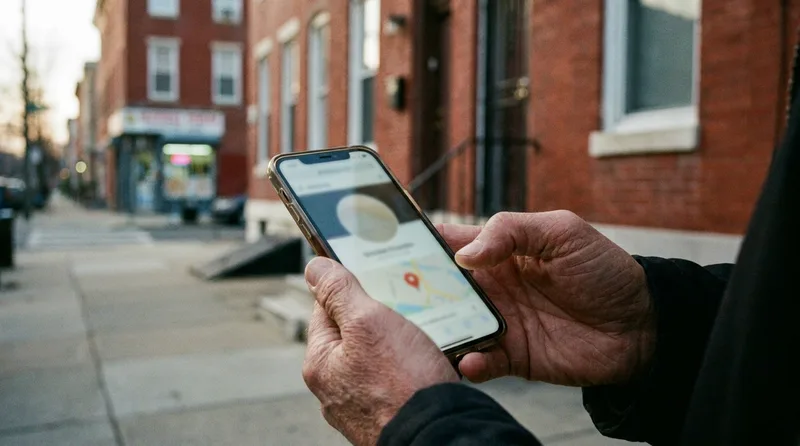
The gap is easy to see. Statista data for Q4 2024 puts mobile's share of global web traffic at 62.54%. HubSpot also measured mobile pages loading 70.9% slower than desktop ones. A heavy site hurts most exactly where your patients are.
Speed also pays. Google's web.dev Vodafone case study logged a 31% gain in Largest Contentful Paint and 8% more sales on the improved pages. A pharmacy isn't a telecom company, but the lesson carries over: faster pages convert better.
Quick Speed Checks for Your Developer
- Compress and resize every storefront and staff photo.
- Limit plugins, chat widgets, and tracking scripts to what you really use.
- Test on a mid-priced phone using mobile data, not office Wi-Fi.
- Keep the refill button and phone number visible without scrolling.
How Do You Keep a Pharmacy Website HIPAA-Aware and Accessible?
Collect only what a form needs, send it through secure channels, and keep patient details out of analytics, ad pixels, and email notices. Then build to accessibility standards so patients using screen readers or large text can request refills without calling.
Pharmacy web design treats privacy and access as one job: forms and pages built around real patients. A refill form needs a prescription number and contact details, not a health history. A phone number needs to be tappable by someone with shaky hands.
Picture a patient on a bus, phone set to large text. If your refill button is small or low in contrast, that patient calls the store instead and ties up your counter. An accessible site protects patients and protects your staff's time.
- Minimum data: ask only for what the request requires.
- Secure handling: use encrypted submission, and ask any vendor that touches patient information whether a business associate agreement applies.
- Clean tracking: keep ad pixels and analytics tags off refill and transfer pages.
- Plain-language notice: explain what you collect and why.
- Accessibility: check color contrast, keyboard navigation, image descriptions, and readable text sizes against WCAG guidelines.
This is general information. Your attorney or compliance advisor should review any form that collects patient details.
How Should Your Website Support Local SEO Across Pennsylvania?
Local rankings lean on pharmacy web design more than most owners expect. Service pages, structured data, and consistent contact details tell Google which searches you deserve, and a strong Google Business Profile can't carry a site that confuses visitors.

Visibility starts on the map. Backlinko data shows 42% of local searchers tap a listing in the Maps Pack. Those clicks land on your pages, so the pages need to deliver.
- Use one spelling of your name, address, and phone number everywhere: website, Google profile, and directories.
- Build a page for each location you actually staff, with real photos, hours, and directions.
- Mark up each store with Pharmacy structured data, which helps search engines interpret your details.
- Point each profile link at the most relevant landing page, not only the homepage.
- Track calls, direction requests, and form submissions to see what the site delivers.
Be honest about geography. A Philadelphia store, a Pittsburgh-area store, and a Lehigh Valley store each earn their own page. A town you don't serve doesn't.
Reviews and photos on your profile should match what the site says. Mismatched hours or services confuse patients, and they confuse search engines too.
Need more patients landing on that site?
RevealSite pairs pharmacy websites with Google Ads, social, email, and review management so the traffic you earn actually arrives.
Explore Marketing & Visibility →What Affects the Cost and Timeline of a Pharmacy Website?
Cost depends on page count, custom design, forms and integrations, content writing, photography, and ongoing care. Timeline follows the same drivers. A focused one-store build moves faster than a multi-location one, so get the scope in writing before work begins.
- Locations: every store adds pages, photos, and listings to manage.
- Template or custom: custom design takes longer but fits your brand.
- Content: service pages and pharmacist bios need writing, and a content partner can help with blog posts and video.
- Integrations: refill systems, text programs, and booking tools each add testing.
- Care after launch: updates, security, and speed checks keep the site healthy.
Compare pharmacy web design proposals line by line. A low price that leaves out forms, speed testing, or local setup usually costs more later.
Picture two owners. One runs a single store and needs a clean, focused site. The other runs three stores across Pittsburgh suburbs and needs location pages, delivery forms, and a text-program connection. Same industry, very different scope.
Ask every bidder to price pages, forms, integrations, speed testing, and post-launch support as separate lines. That makes the real differences easy to spot.
How Do You Pick a Web Design Partner for Your Pennsylvania Pharmacy?
Look for a partner that focuses on pharmacies, can point to live pharmacy sites, explains its privacy safeguards, and measures success in calls, transfers, and refills. Ask who owns the domain, site files, and Google profile before you sign.

| Option | Strengths | Watch for |
|---|---|---|
| Template builder | Low upfront effort and quick launch. | Generic layouts, limited forms, and little local setup. |
| Generalist web agency | Design polish and broad skills. | Little knowledge of pharmacy privacy or refill workflows. |
| Pharmacy specialist | Pharmacy workflows and compliance habits built in. | Confirm references and reporting. RevealSite is one option to evaluate. |
No option fits every pharmacy. A single-store owner who wants a simple site may do well with a template and strong local setup. A multi-store group usually needs custom pages, tighter reporting, and a partner who answers quickly.
Questions to Put to Every Candidate
- Can you show live sites you built for independent pharmacies?
- How do your forms handle patient details?
- What speed target will you test against, and how?
- If we part ways, who keeps the domain, hosting, and site code?
- What does support after launch include?
Slow down if a vendor promises rankings, stays vague about who owns the domain, can't show a live pharmacy site, or sends samples that display real patient information.
Your website is one piece of a larger plan. The Pennsylvania pharmacy marketing agency guide covers the rest.
What Should You Do Before You Start a Website Project?
Audit what you have first: list your current pages, test the site on a phone, and note how many calls and refill requests it produces today. Those baselines let you judge any proposal for pharmacy web design in Pennsylvania against real numbers.
Then book a conversation. A good partner asks about your neighborhoods and services before quoting anything.
Small steps count too. Fix your slowest page, add a visible refill button, and correct your hours everywhere. Each takes a day, and each helps patients right away.
Ready to build a pharmacy website that earns patients?
See how RevealSite plans, designs, and launches fast, secure sites for independent pharmacies across Pennsylvania.
Request a Free Demo →Want to see what RevealSite has done for other independent pharmacies?
See Success Stories →Frequently Asked Questions
How much does pharmacy web design in Pennsylvania cost?▼
Cost depends on locations, custom design, forms, content, and ongoing care. A one-store site costs less than a multi-location build. Request a written scope listing every page and feature, so proposals can be compared fairly.
What is a realistic timeline for a new pharmacy website?▼
A focused one-store site often takes weeks, while multi-location builds with custom forms take longer. Delays usually come from content and approvals, so gather photos, service lists, and pharmacist bios before the project starts.
Is it safe to take refill requests through a pharmacy website?▼
Yes, if the form collects only what it needs, sends data over encrypted connections, and keeps tracking scripts away from those pages. Ask your vendor how it handles patient information, and have your compliance advisor review the setup.
Do I need a separate page for every Pennsylvania location?▼
Yes, for each store you actually staff. A dedicated page with real photos, hours, directions, and local details helps patients and search engines. Skip pages for towns you don't serve, since thin pages add little value.
Is a redesign better than repairing my current pharmacy site?▼
Keep it if the bones are good and the trouble is slow pages or thin content. Redesign if it fails on phones, lacks secure forms, or can't be updated easily. Audit calls, refill requests, and load times first.